Leon Vogel · 2 September 2026
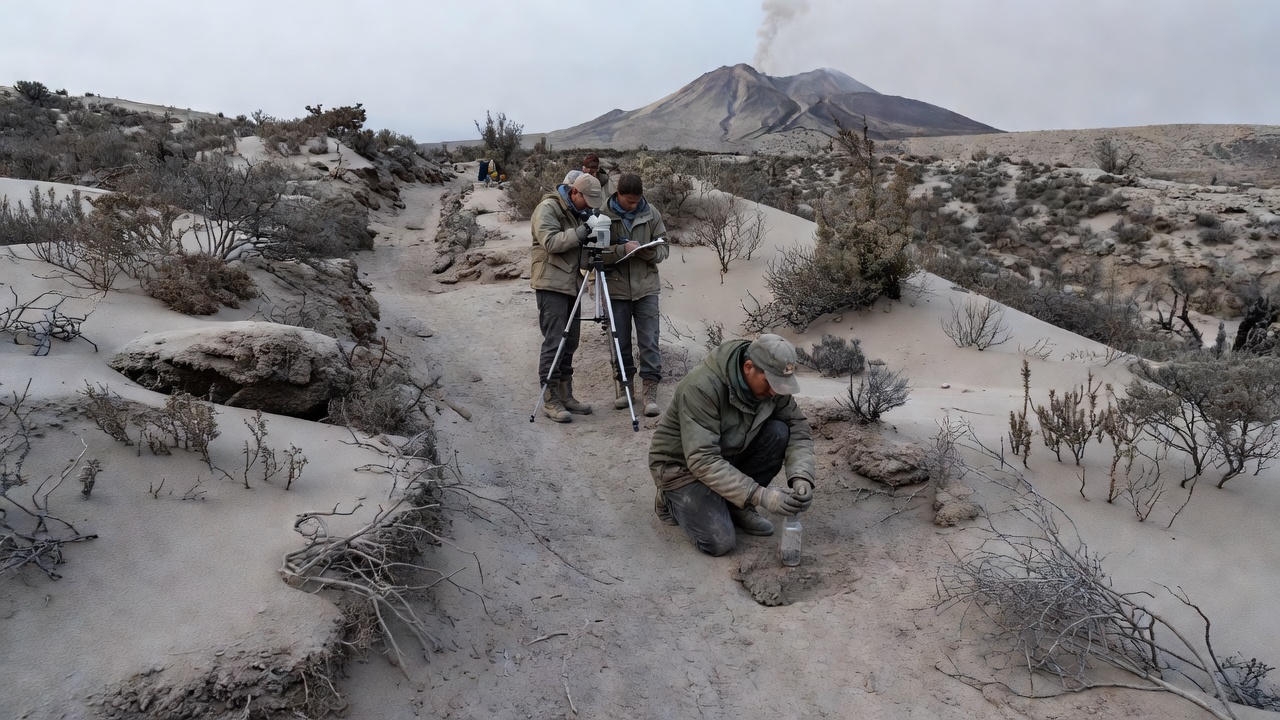
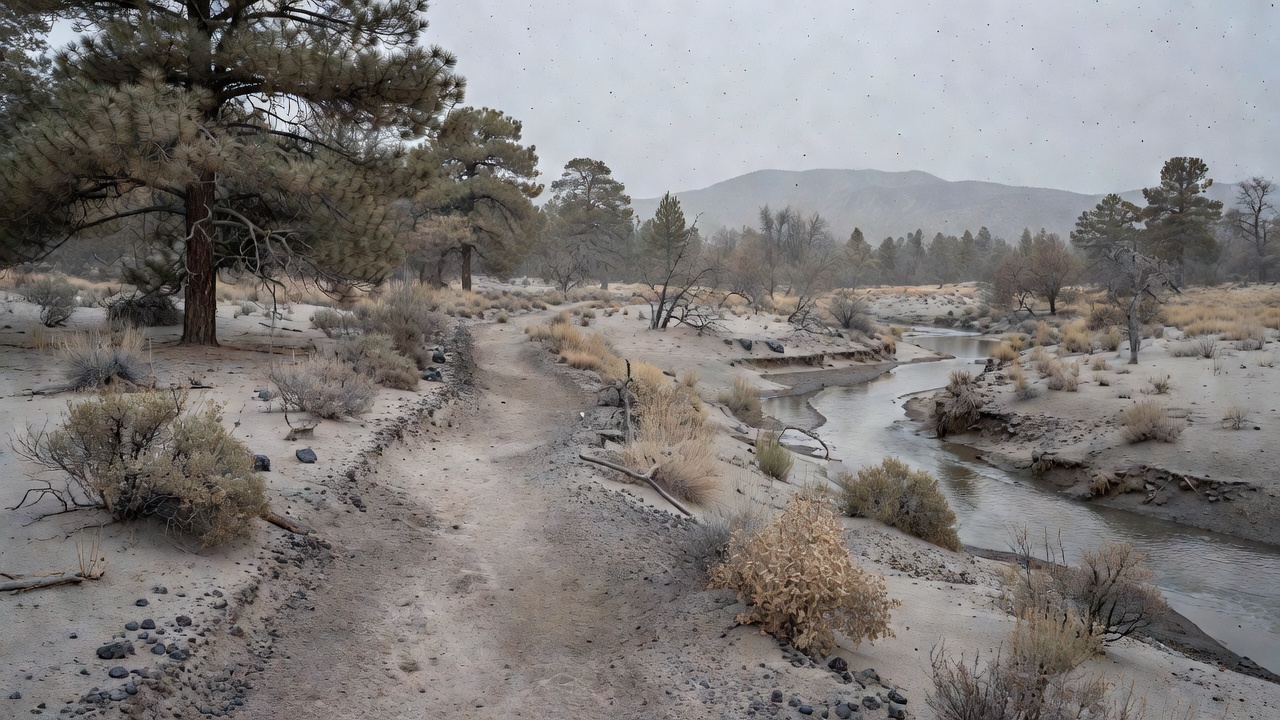
Recent volcanic eruptions have deposited thick layers of ash along the Ashpath Trails, causing measurable disruptions to local biodiversity. Researchers at ashpath.edu.pl have documented declines in plant cover, insect populations, and vertebrate activity across multiple monitoring sites. Ash accumulation alters soil pH and reduces light penetration, stressing native species adapted to clearer conditions.
Vegetation Changes Due to Ash Deposits
Ash layers block sunlight and clog leaf stomata, sharply reducing photosynthesis in trail-side grasses and shrubs. Soil analyses show elevated toxic minerals that inhibit root uptake of water and nutrients. Endemic plants suffer most, allowing ash-tolerant invasives to spread and shift community composition. Erosion rates increase as stabilizing root networks weaken, exposing trails to further degradation during rains. Recovery timelines depend on precipitation frequency and ash thickness, with some plots showing partial regrowth only after two seasons. Biodiversity indices have fallen 25-35 percent in zones with deposits exceeding five centimeters.
Long-term plots reveal slower seed germination and higher seedling mortality under ash cover. These shifts threaten the baseline data sets used for volcanic impact modeling.
Effects on Fauna and Ecosystem Balance
Insect herbivores decline first as host plants disappear, triggering drops in pollinators and decomposers. Birds and small mammals relocate to clearer areas, reducing seed dispersal and predation pressure on remaining vegetation. Amphibians face desiccated breeding sites clogged by fine ash particles. Food-web models predict delayed rebounds even after ash removal, because specialist species require intact plant communities. Continued transect surveys track these cascades to refine regional hazard assessments and guide limited intervention trials such as selective raking in high-value corridors.