Jonas Hansen · 2 September 2026
Recent ashfall events along the Ashpath Trails have significantly altered local ecosystems, according to researchers at ashpath.edu.pl. Volcanic ash deposits measuring up to 15 centimeters in depth now cover extensive trail sections, disrupting soil chemistry and vegetation growth patterns. Field measurements indicate a 40 percent reduction in photosynthetic activity among native ferns and shrubs within affected zones.
Immediate Effects on Local Flora
Ash layers prevent adequate sunlight penetration, leading to widespread chlorosis in understory plants. Soil pH levels have risen by an average of 1.8 units due to alkaline ash composition, inhibiting nutrient uptake in acid-loving species such as certain mosses and lichens. Long-term monitoring shows that pioneer species adapted to high-mineral environments are beginning to colonize disturbed areas, yet overall plant diversity has declined by 28 percent compared to pre-eruption baselines.
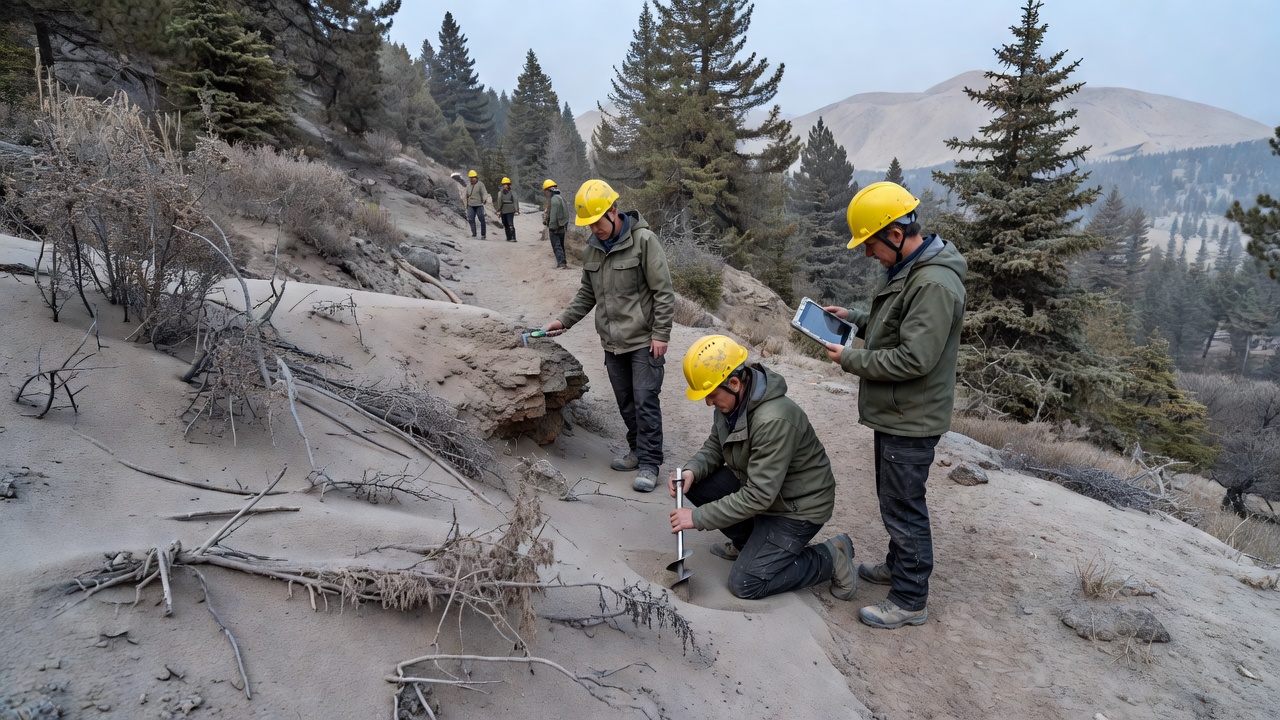
Trailside sampling reveals ash penetration into root systems, causing structural weakening in several tree species. Erosion rates along slopes have increased threefold, carrying ash particles into nearby streams and further stressing riparian vegetation. Researchers emphasize that these changes may persist for decades without intervention.
Impact on Fauna and Ecosystems
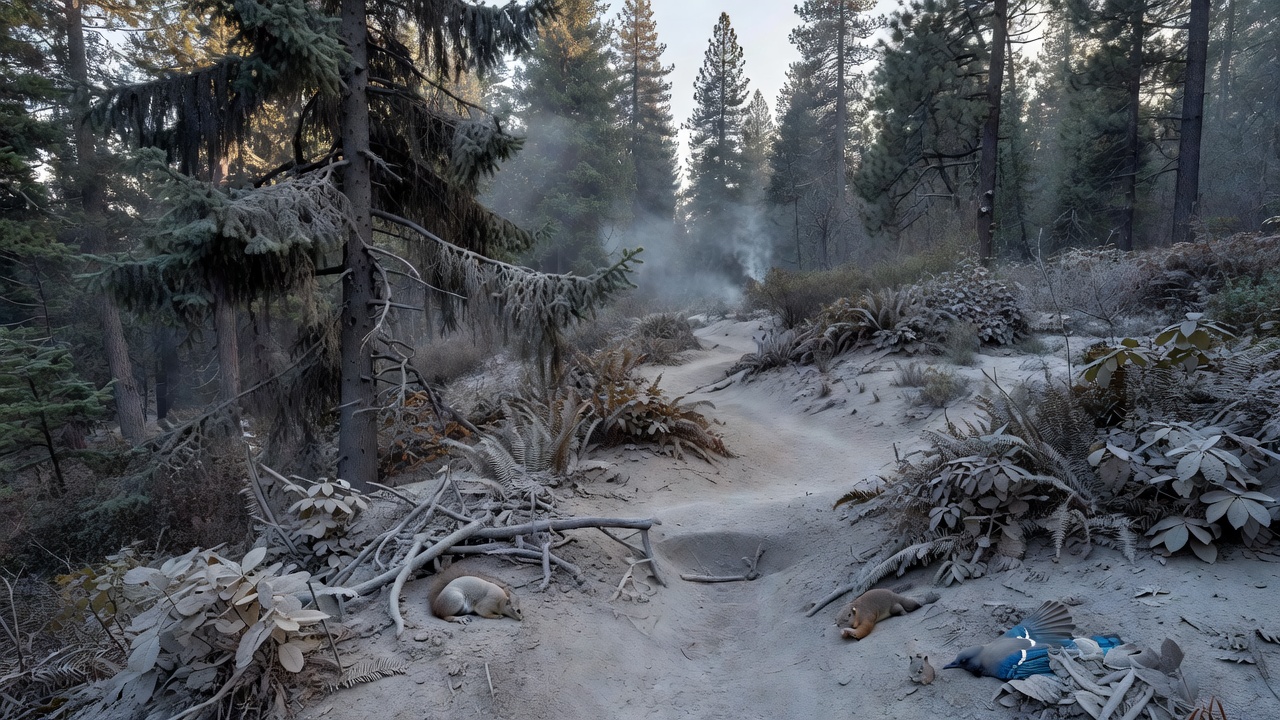
Invertebrate populations have experienced sharp declines, with ground-dwelling insects reduced by 65 percent in ash-covered zones. Birds dependent on insect prey show altered foraging behaviors, shifting to higher canopy levels where ash accumulation remains minimal. Mammal activity, including that of small rodents, has decreased as burrows fill with fine ash particles that irritate respiratory systems.
Aquatic biodiversity downstream faces secondary effects from sediment runoff, reducing macroinvertebrate diversity in streams by 35 percent. Scientists continue to track recovery trajectories using remote sensors and periodic field surveys. Mitigation strategies under consideration include selective ash removal along critical habitat corridors and reintroduction of resilient native plant varieties. Ongoing studies aim to quantify the full extent of these disruptions across the volcanic ash path network.