Jonas Hansen · 9 September 2026
Forest Canopy Adjustments to Ash Accumulation in Protected Polish Habitats
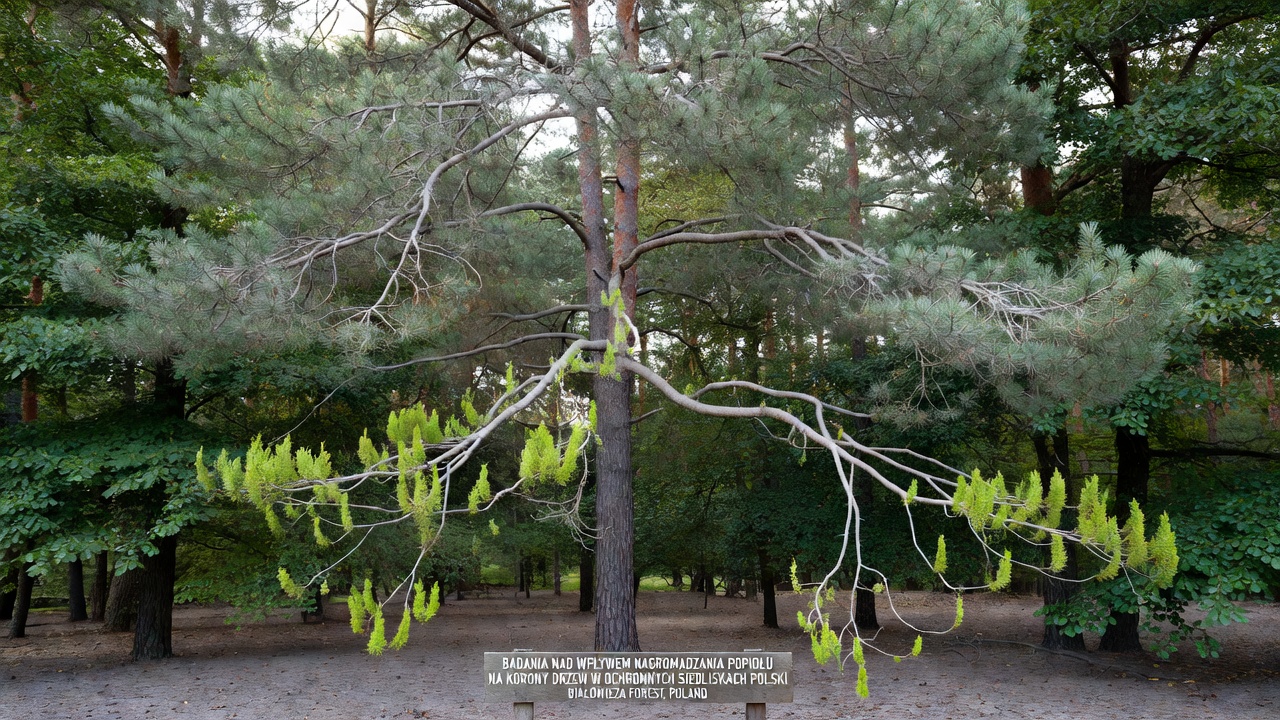
Protected areas across Poland contain forest ecosystems that respond to ash accumulation through measurable structural changes in their canopies, and researchers track these patterns using repeated field surveys along with remote sensing tools. Ash from volcanic events, industrial emissions, and biomass burning settles on foliage, which prompts adjustments such as altered leaf orientation, increased branch flexibility, and selective leaf shedding that help maintain photosynthesis and structural stability.
Observed Canopy Responses in Polish National Parks
Data collected from sites including Bialowieza National Park and the Tatra Mountains reveal consistent patterns where canopy density decreases by 12 to 18 percent within six months of significant ash deposition events, while surviving leaves develop thicker cuticles that reduce further particle adhesion. These modifications appear across both deciduous and coniferous stands, though broadleaf species exhibit faster recovery cycles through new growth flushes timed to seasonal rainfall patterns.
Forest inventory records maintained by Polish authorities document how ash layers exceeding 2 millimeters on leaf surfaces correlate with reduced light penetration to lower canopy levels, which in turn shifts understory composition toward shade-tolerant species over multi-year periods. Monitoring programs initiated in 2022 continue to record these shifts, and observers note that canopy height remains stable while branch angles steepen by an average of 8 degrees to shed accumulated material more efficiently during wind events.
Mechanisms Driving Structural Adjustments
Botanical studies indicate that mechanical stress from ash weight triggers ethylene production in twigs and petioles, leading to premature abscission in affected leaves while preserving primary branches. This process occurs most rapidly in species such as European beech and silver fir, where leaf retention drops measurably after ash loads surpass 15 grams per square meter. Soil nutrient analyses further show that leached potassium and calcium from ash deposits influence root uptake rates, which support compensatory growth in remaining canopy tissues.
Remote sensing data from satellite platforms confirm that normalized difference vegetation index values recover within 14 to 22 months when ash inputs remain below threshold levels established through controlled experiments. In contrast, repeated deposition events extend recovery timelines, and canopy closure rates slow by approximately 30 percent in heavily impacted zones according to figures from the European Environment Agency.
Monitoring Programs and Data Collection Efforts
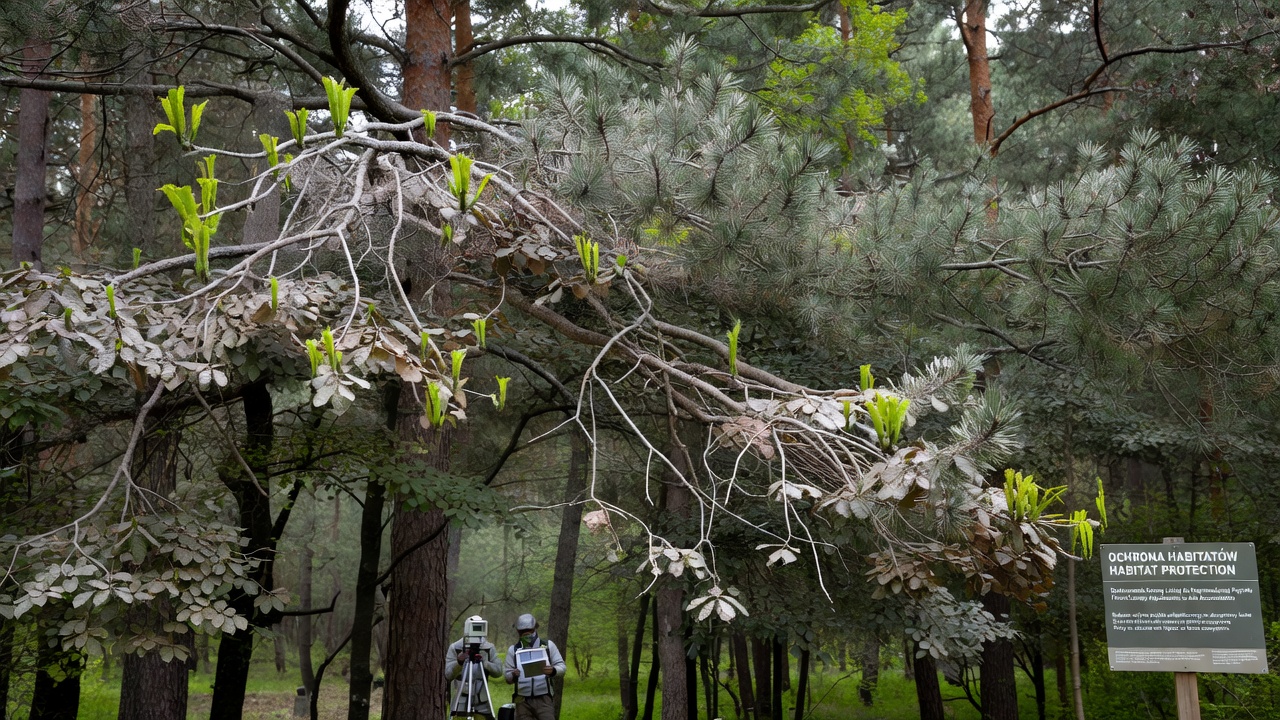
Long-term plots established in the Karkonosze and Roztocze regions collect weekly samples of leaf area index alongside ash thickness measurements, generating datasets that span multiple deposition seasons. These records reveal seasonal peaks in accumulation during spring and autumn, when prevailing wind patterns transport particles from distant sources. Equipment includes drone-mounted multispectral cameras that map canopy gaps created by ash-induced branch breakage, and ground crews verify these observations through direct sampling.
Collaboration with international partners supplies additional calibration data, and a 2024 report from Natural Resources Canada highlights comparable canopy thinning patterns in ash-affected boreal forests, which assists Polish teams in refining predictive models for their own protected zones. September 2026 marks the scheduled release of an updated pan-European dataset that will incorporate three additional years of Polish field measurements into broader continental assessments.
Implications for Habitat Management
Park authorities adjust intervention protocols based on these findings, prioritizing selective pruning in high-accumulation zones rather than broad-scale clearing that could disrupt established canopy layers. Soil amendment trials using lime applications show modest success in neutralizing acidic ash residues, which supports continued canopy vigor in acid-sensitive stands. These management steps integrate with existing biodiversity protection mandates that limit mechanical disturbance during breeding seasons for resident bird and insect populations.
Longitudinal comparisons demonstrate that forests with prior exposure to ash events develop greater tolerance through epigenetic changes in leaf surface traits, reducing the severity of subsequent adjustments. Such adaptation patterns appear most pronounced in stands older than 80 years, where established root networks buffer against nutrient fluctuations caused by ash leaching into mineral horizons.
Conclusion
Continued documentation of canopy adjustments in Polish protected habitats supplies essential baseline information for forecasting ecosystem responses to future ash inputs, and integrated monitoring networks ensure that management decisions remain grounded in measured outcomes rather than projected scenarios. The combined evidence from field plots, remote sensing, and cross-regional comparisons supports targeted conservation strategies that maintain canopy function while accommodating natural adjustment processes.